Our roof deck systems are engineered to provide solutions for a range of challenges and concerns. From superior acoustical performance to high-humidity resistance and safety compliance for flame resistance and hurricane-prone areas, ORO Architectural Solutions offers roof deck products to meet your needs. Our specialized roof deck solutions are suitable for a wide range of applications within commercial spaces and buildings.
Tectum Roof Decks
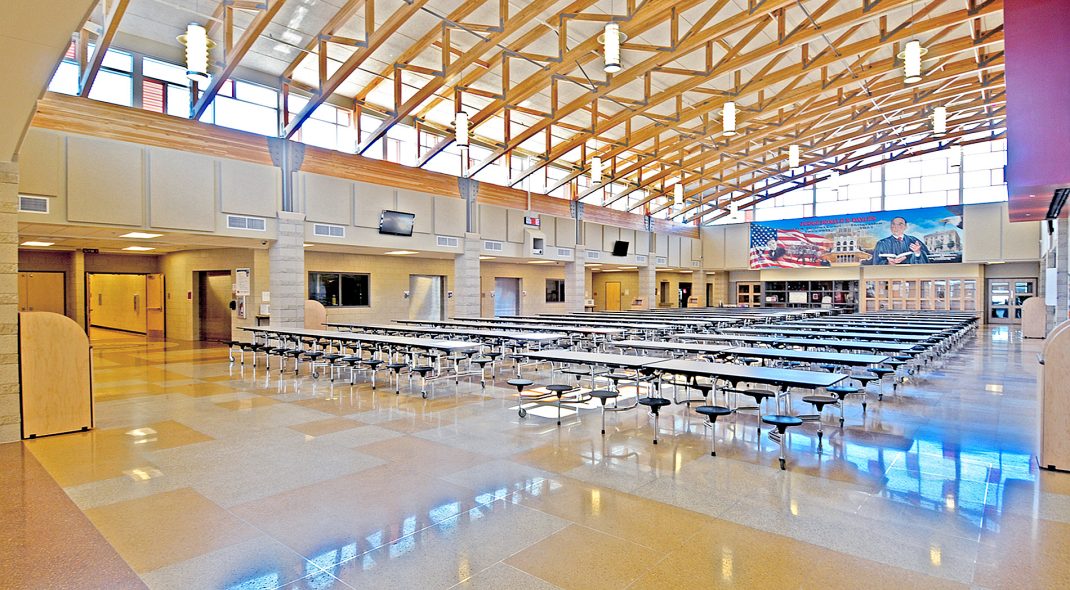
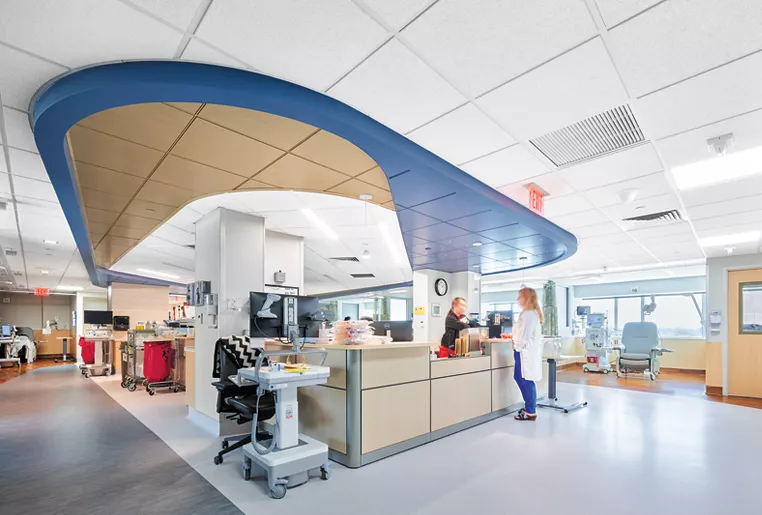
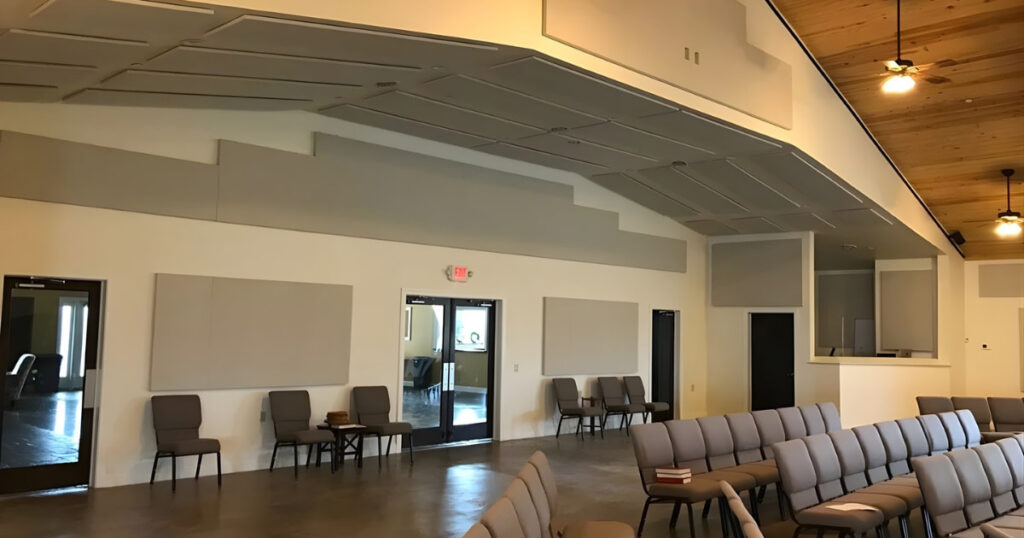
With a range of products available in multiple configurations, Tectum roof deck systems provide endless compatibility across multiple applications. Tectum roof deck solutions are particularly suitable for schools, gymnasiums, auditoriums, and other high-traffic areas requiring safety, durability, and excellent sound absorption and acoustical performance.
Lightweight insulating concrete (LWIC) roof decks offer a solution that’s reroofable, sustainable, and permanent for your project. By reducing temperature fluctuations and increasing membrane longevity, LWIC is a great option for a wide range of applications.
What needs to be clearly defined in a roof deck system?
Load paths, attachment methods, and system interfaces need to be clearly defined in the documents. Roof decks do not function independently. Their performance depends on how they tie into the structure and adjacent systems. When those relationships are not clearly defined, details tend to get worked out later under pressure. That is where small gaps can turn into performance issues, especially in high-load or high-wind conditions.
What gets missed at roof deck transitions and edges?
Most issues show up at transitions. Changes in deck type, penetrations, and edge conditions are often shown diagrammatically but not fully detailed. That leaves gaps between structural, roofing, and enclosure scopes. Those gaps do not stay on paper. They get resolved in the field, and that is where inconsistencies usually start to show up.
How do you handle both structural and acoustic performance in a roof deck system?
Roof decks are often expected to do more than one job. Structural span, uplift resistance, and acoustic performance do not always align. A system designed for structure alone will not necessarily perform acoustically without added treatment. Acoustic performance does not come from the deck alone. If it matters for the space, it needs to be addressed as part of the full assembly.
What needs to be defined when specifying LWIC roof deck assemblies?
LWIC is often selected for its thermal performance and durability, but substrate conditions, moisture control, and slope need to be clearly defined in the assembly. Installation depends on proper preparation of the supporting deck and coordination with the roofing system above. Curing and interface conditions also play a role. Issues here usually do not show up immediately, but they tend to surface over time, especially during reroofing cycles.
How should roof deck systems be specified across different project conditions?
Project conditions drive performance more than standard details do. Wind exposure, humidity, occupancy type, and span requirements all influence how the system behaves. A detail that works well on one project may not translate directly to another. Defining performance criteria in the spec instead of relying on a single standard detail allows the system to adapt without losing intent.
Proudly Serving The Southeast
Our experts are proud to serve the Southeast region of the United States, including Tennessee, Georgia, Florida, Alabama, and the Carolinas.